What makes watercolour so special?
…It is how it behaves. It’s fluid, expressive, and full of those lovely “happy accidents.” Instead of trying to control every detail, you learn to work with the paint—letting colours flow, blend, and surprise you. It becomes less about strict technique and more about a creative partnership. For me, painting isn’t just about the finished piece—it’s about the process. It feels almost like a reset. A moment to slow down, breathe, and let everything else fade into the background. There’s something deeply calming and connecting about it.
Watercolour is also more than just a medium—it’s a way of connecting people. It brings together artists of all levels, from complete beginners to more advanced painters, in a space that feels open and inclusive. There’s always something new to learn, whether it’s a simple technique or something more complex, and just as importantly, there’s always something to share. That exchange of ideas, experiences, and creativity is what makes the watercolour community so special. In fact, if you look at experienced watercolour artists, many of them travel the world with their paints—meeting one another in different places, sharing techniques, stories, and inspiration. They paint beautiful architecture, landscapes, and moments from everyday life, all because they’re drawn to this sense of freedom and connection that watercolour offers.
And if you ever join a watercolour class, you’ll notice how easy and welcoming they are. They’re simple to set up, often more relaxed, and naturally bring people together. There’s a real sense of community—sharing ideas, learning from each other, and gaining confidence along the way. You’re encouraged to experiment, to be curious, and yes… to make mistakes. That’s how progress happens.
For beginners, this means the whole experience feels:
- Less intimidating
- More playful
- Deeply relaxing
There’s no pressure to be perfect. In fact, some of the most beautiful moments in watercolour happen when things don’t go exactly as planned. Of course, having the right materials makes a big difference too. When your paints work with you instead of against you, everything becomes more enjoyable.
What paints are the best choice for beginners?
Watercolour is one of the most beginner-friendly art forms—and honestly, one of the most magical. It’s something you can take anywhere. A small palette, a brush, a bit of paper—and you’re ready to go. The freedom it gives is hard to explain… It’s something you really have to experience for yourself.
Unlike acrylic or oil painting, watercolour doesn’t take over your space. There’s no need for bulky canvases or worrying about where to store them. Watercolour paper is lightweight, easy to keep, and dries quickly. (Fun fact: oil paint can take up to six months to properly dry!). With watercolour, you can paint, experiment, and move on without waiting around. Perfect if you’re just starting out and want to try lots of ideas.
Choosing the right materials can make a huge difference in your experience. If you’re just starting out, the world of watercolours can feel overwhelming. Do you go for student or professional grade? Pans or tubes? A tiny set or a huge rainbow of colours? Let’s break it down so you can start your journey with confidence.
Student vs Professional Grade
The first decision is about the quality of paint.
- Student‑grade paints (like Winsor & Newton Cotman or Royal Talens Van Gogh) are usually more affordable, consistent, and forgiving—perfect for learning how to mix colours and control washes. They’re made with fewer pigments and fillers, which actually helps beginners avoid frustration.
- Professional‑grade paints like Daniel Smith Extra Fine Watercolours or Schmincke Horadam Aquarell are richer, more vibrant, and more permanent. They can create amazing depth and luminosity, but they’re also more expensive. Beginners can still use them, but they may not notice all the subtle differences until they’ve built some experience.
Start with student-grade paints. You can always upgrade to professional-quality later as your skills and confidence grow.
Pans vs Tubes
The next choice is how your paint comes: solid pans or tubes.
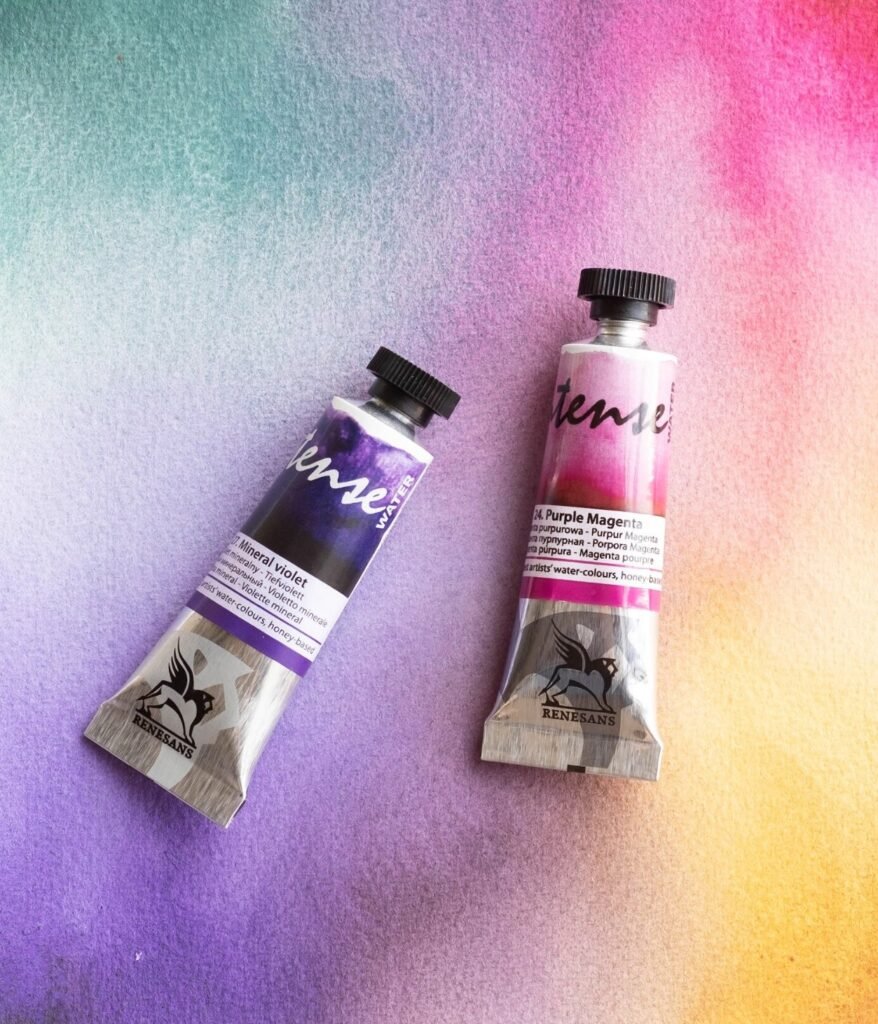
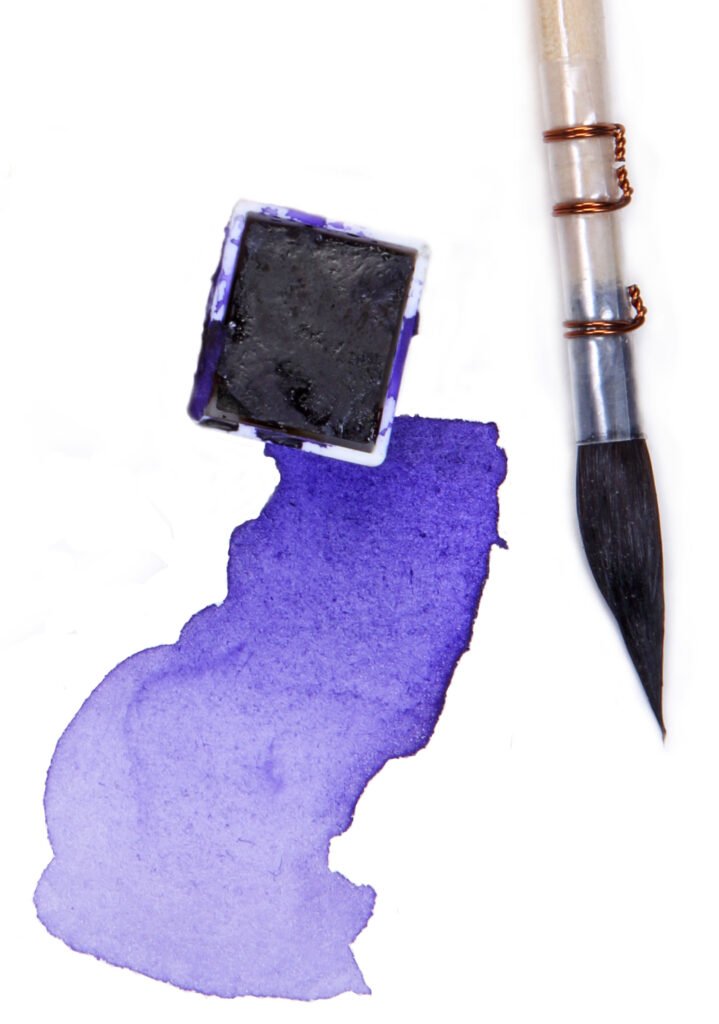
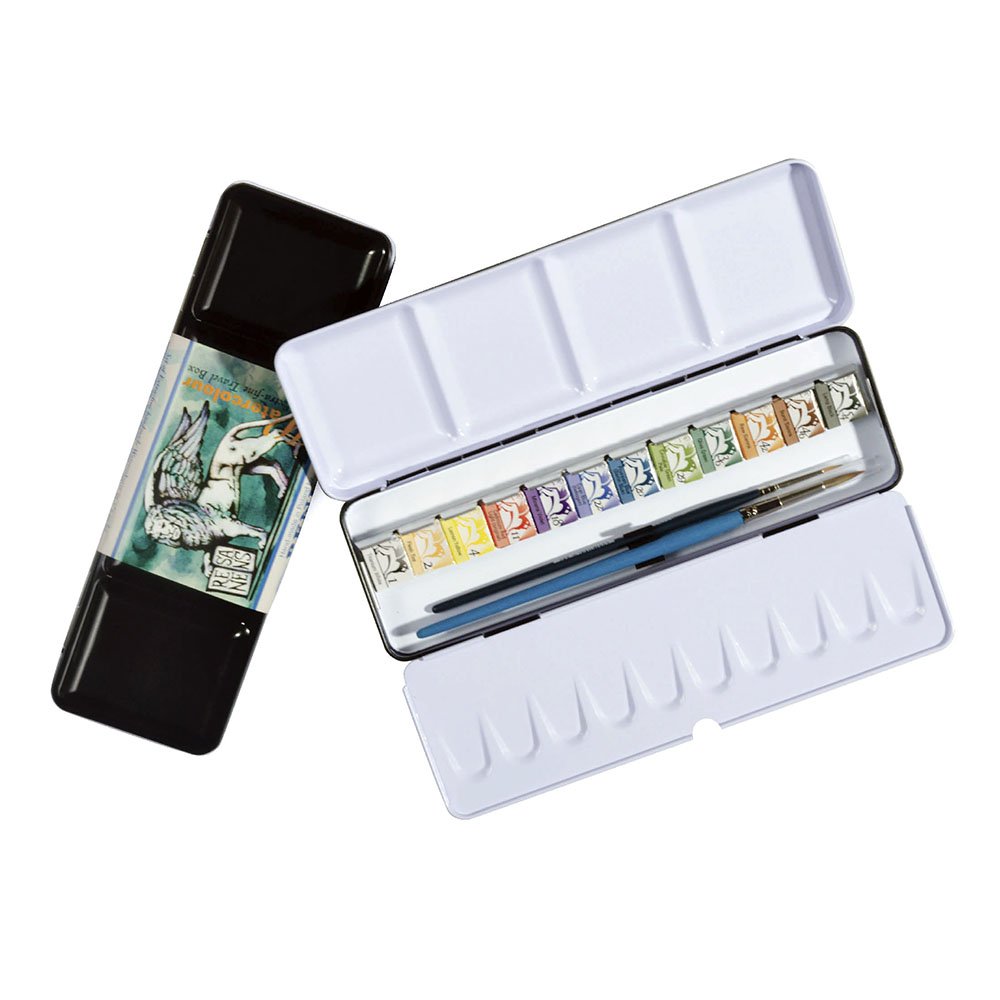
- Pan sets are little blocks of dried paint. They’re compact, portable, and easy to use anywhere—great for travel, outdoor painting, or small studio spaces. They’re also less messy and easier to control for beginners.
- Tubes contain wet paint that you squeeze out as needed. Tubes offer richer, more intense colours and are excellent for large washes or bold strokes. They’re ideal if you want to paint on bigger sheets or experiment with stronger pigment.
If portability and ease of use matter most, start with a pan set. If you plan to do larger pieces, a small tube set may be worth the investment.
Start Small
When you’re just beginning, more isn’t always better.
- You don’t need dozens of colours right away. A smaller set—maybe 12 to 18 basic colours—is perfect for learning how to mix and layer.
- A limited palette encourages experimentation and helps you understand colour relationships. You’ll also save money and avoid overwhelming yourself with options.
Start with a small, quality set. As you grow, you can gradually add more colours and even explore professional-grade paints.
Final Thought
Choosing your first watercolours doesn’t have to be complicated. Focus on paints that are easy to work with, affordable, and inspiring. Start with a small, portable pan set of student-grade paints, learn to mix and experiment, and enjoy the process.
Watercolour is about freedom, creativity, and exploration—and with the right tools, your journey as a beginner can be fun, rewarding, and stress-free. Renesans watercolours are such a great choice if you’re starting out. They’re:
- Richly pigmented (so your colours really shine)
- Smooth and easy to use
- Affordable, so you don’t feel like you’re overspending
With the right tools, you can focus on what really matters—exploring, experimenting, and enjoying the process. At the end of the day, watercolour gives you the space to grow, play, and find your own style. And when you pair it with beginner-friendly paints like Renesans, it becomes even easier to build confidence and truly enjoy the journey.