What are Hake Brushes?
Have you ever wondered how a simple brush could carry centuries of history, craftsmanship, and artistic tradition?
The Hake brush (pronounced ha-key) takes its name from the Japanese word for “brush” and has a fascinating story rooted in Japan’s traditional arts and crafts. These unique tools evolved from the writing brushes used in Japan approximately 840–1,230 years ago, gradually becoming valued not only for calligraphy but for a wide range of delicate and precise artistic applications.
But what makes a Hake brush so special?
Unlike ordinary brushes designed for a single purpose, Hake brushes were created as versatile tools used across many traditional practices. They played an important role in techniques such as stencil dyeing, where even layers of colour were essential, as well as in the careful maintenance of Buddhist altars and the restoration of precious scriptures. Their ability to handle delicate surfaces while applying materials smoothly made them indispensable in skilled hands.
So, what is the secret behind their unique performance?
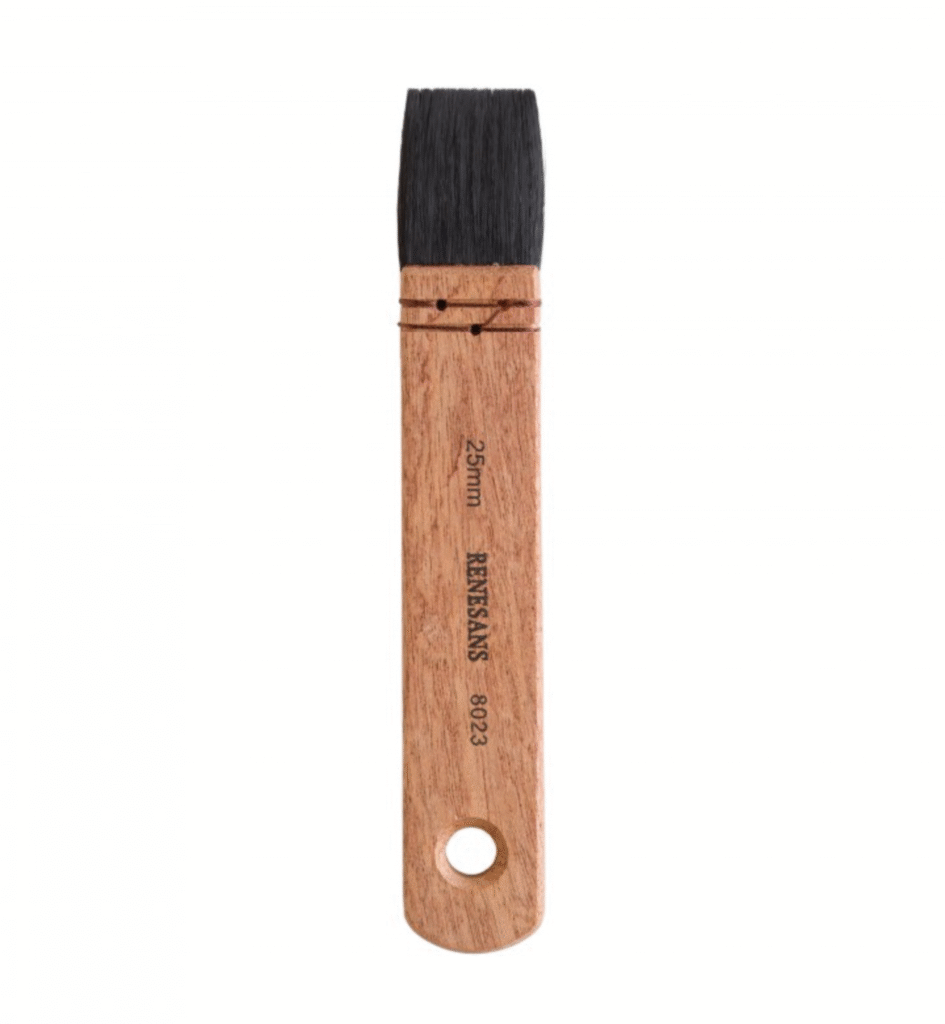
The answer lies in their distinctive design. A Hake brush has a wide, flat handle and an exceptionally soft, dense brush head, traditionally made from natural hairs such as goat or sheep hair. This special construction allows artists to create beautifully even washes, smooth colour transitions, and gentle blending effects that are difficult to achieve with conventional brushes.
Whether you are working with watercolour, ink, or other fluid mediums, the Hake brush offers a level of control and softness that invites experimentation. Its broad shape allows you to cover larger areas effortlessly, while the fine, flexible hairs provide the sensitivity needed for subtle changes in tone and texture.
Could a brush with more than a thousand years of history become your favourite modern painting tool?
For contemporary artists, the Hake brush is more than just a practical tool, it is a connection to an ancient tradition of patience, precision, and respect for materials. It encourages a different approach to painting: one based on movement, flow, and harmony between the artist and the brush.
These brushes are a true example of how traditional craftsmanship continues to inspire modern creativity, so if you love painting expressive, atmospheric watercolour landscapes, choosing this brush can completely transform your painting experience.
What Are Hake Brushes Used For in Watercolour?
In watercolour, Hake brushes are valued for their ability to hold large amounts of water and pigment, making them ideal for creating:
- Large scale washes – in architectural sketching and for rendering vast skies without leaving harsh brush marks
- Underpainting – for tonal foundations of a face or figure before switching to smaller brushes
- Atmospheric backgrounds for a portrait subject, florals or misty mountains
- Textured foregrounds – to suggest concrete, rough stone and grass.
Unlike smaller brushes that encourage detailed work, a Hake brush encourages confidence, simplicity, and a more painterly approach.
For landscape artists, this makes them especially useful for creating skies, forests, mountains, rivers, and natural scenes with a loose, impressionistic style.
Their flexible bristles can be manipulated or twisted between fingers to create organic effects that mimic floral clusters or foliage without having to add fine details.
Renaissance Synthetic Hake Brushes
The Renaissance synthetic Hake brushes are designed for artists who want the freedom of traditional Hake brushes with the reliability, consistency, and affordability of modern synthetic fibres.
While traditional Japanese goat-hair Hake brushes have long been considered the professional standard, high-quality synthetic alternatives have developed significantly. Renaissance has created a brush range that offers excellent performance for loose watercolour techniques while remaining accessible to artists who want professional results without investing in a large collection of specialist brushes.
Rather than being a basic beginner brush, Renaissance Hake brushes are a practical professional tool for artists who want to simplify their process and create expressive paintings with fewer brushes.
Although Hake brushes are large, they are not limited to broad washes. The Renaissance Hake brushes feature a useful chisel edge that allows artists to change their technique simply by adjusting the angle of the brush.
This versatility means you can create a large percentage of a painting using one or two brushes instead of constantly switching between tools.
Synthetic Hake Brushes vs Goat-Hair Hake Brushes
The choice between synthetic and natural hair often comes down to personal preference, painting style, budget, and ethical considerations.
Synthetic Renaissance Hake Brushes
Advantages:
✓ Affordable professional-quality option
✓ Consistent fibre performance
✓ Durable and easy to maintain
✓ Cruelty-free alternative
✓ Excellent water capacity
✓ Reliable brush shape
Traditional Goat-Hair Hake Brushes
Advantages:
✓ Exceptional softness
✓ Superior natural water absorption
✓ Beautiful flowing movement
✓ Traditional painting experience
Natural goat hair remains highly respected because the structure of natural fibres allows them to hold an impressive amount of water and pigment.
However, modern synthetic brushes like Renaissance have closed the gap considerably and offer excellent performance for loose landscape painting.
For many artists, the difference in practical painting results is much smaller than the difference in price.
Do You Need Special Paint for Hake Brushes?
Yes. Because Hake brushes hold so much water, paint choice makes a significant difference, such as weakening the concentration of pan colours.
Using tube-consistency paint helps maintain strong colour intensity for vibrant skies and deep landscape shadows. For best results, load the brush with a stronger pigment mixture and minimalise the amount of strokes.
Pan paints can still be used, but artists may need to compensate by mixing stronger colour and controlling the amount of water on the brush. Grand godets are full pans designed for larger brushes and because they have intense colours, they will also do a good job for you.
Because these brushes hold so much water, beginners may need time to adjust. However, learning to control moisture is an important skill that improves overall watercolour technique.
How to Clean and Maintain Renaissance Hake Brushes
Good brush care will extend the life of your tools.
1. Rinse Thoroughly
After painting, rinse the brush carefully until all pigment is removed.
Pay attention to paint trapped near the base of the fibres.
2. Avoid Harsh Scrubbing
Do not rub the brush aggressively against surfaces, as this can damage the fibres.
3. Use Mild Soap When Needed
For deeper cleaning:
- Use gentle brush soap
- Swirl softly
- Rinse completely
4. Dry Correctly
After cleaning:
- Remove excess water gently
- Reshape the brush
- Lay flat to dry
Avoid storing wet brushes upright, as water can collect near the ferrule.
Final Verdict: Are Renaissance Synthetic Hake Brushes Worth It?
For artists who love loose watercolour landscapes, Renaissance synthetic Hake brushes offer an excellent balance of performance, versatility, and value.
They are not simply inexpensive alternatives- they are thoughtfully designed professional art tools that make expressive landscape painting more accessible.
With excellent water capacity, a versatile chisel edge, and the ability to create both smooth washes and textured marks, Renaissance Hake brushes allow artists to work freely with fewer tools.
Whether you are a beginner learning loose watercolour techniques or an experienced artist looking for a reliable landscape brush, Renaissance synthetic Hake brushes are a powerful addition to your studio.
Traditional goat-hair Hake brushes will always have their place, but modern synthetic brushes have proven that professional results do not always require the most expensive materials.
The best brush is the one that helps you paint confidently, creatively, and with freedom.
Frequently Asked Questions
Are Renaissance Hake brushes good for professional watercolour artists?
Yes. Their water capacity, consistency, and versatility make them suitable for professional landscape painting as well as beginner practice.
Are Renaissance synthetic Hake brushes better than cheap synthetic Hake brushes?
Yes. Quality varies significantly between synthetic brushes. Renaissance brushes are designed with better fibre performance, shape retention, and water control compared with many basic low-cost alternatives.
Are synthetic Hake brushes as good as goat hair?
For many loose landscape techniques, high-quality synthetic Hake brushes perform extremely well. Goat hair still offers a unique softness and natural water capacity, but synthetic brushes provide excellent value and consistency.
What paint works best with Hake brushes?
Tube watercolours are recommended because they provide stronger pigment concentration and prevent excessive dilution.
What size Hake brush is best for landscapes?
The 2-inch brush is ideal for skies and large washes, while the 1-inch brush is excellent for trees, texture, and foreground details.
Can I reshape my hake brush?
Yes, you can reshape bent or frayed paint brush bristles using hot water to quickly “reset” synthetic fibres but don’t use this trick too often as it can damage your brush over time.